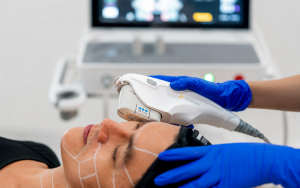
Morpheus8 is a minimally invasive aesthetic treatment that combines microneedling with radiofrequency (RF) energy. It is designed to address selected concerns relating to skin texture, firmness and overall skin quality. However, its suitability varies depending on an individual’s skin condition, medical history, treatment goals and tolerance for downtime.
For those considering Morpheus8 in Sydney, understanding which skin concerns may be assessed, what the treatment involves and which factors influence suitability can help support informed decision-making.
At Stasis Laser & Dermal Clinic, treatment suitability should be considered on an individual basis, with attention to skin condition, expectations and potential risks.
What Is Morpheus8?
Morpheus8 is a radiofrequency microneedling treatment that uses fine needles to deliver RF energy into selected depths of the skin. The combination of microneedling and controlled heat is intended to stimulate tissue responses associated with skin remodelling.
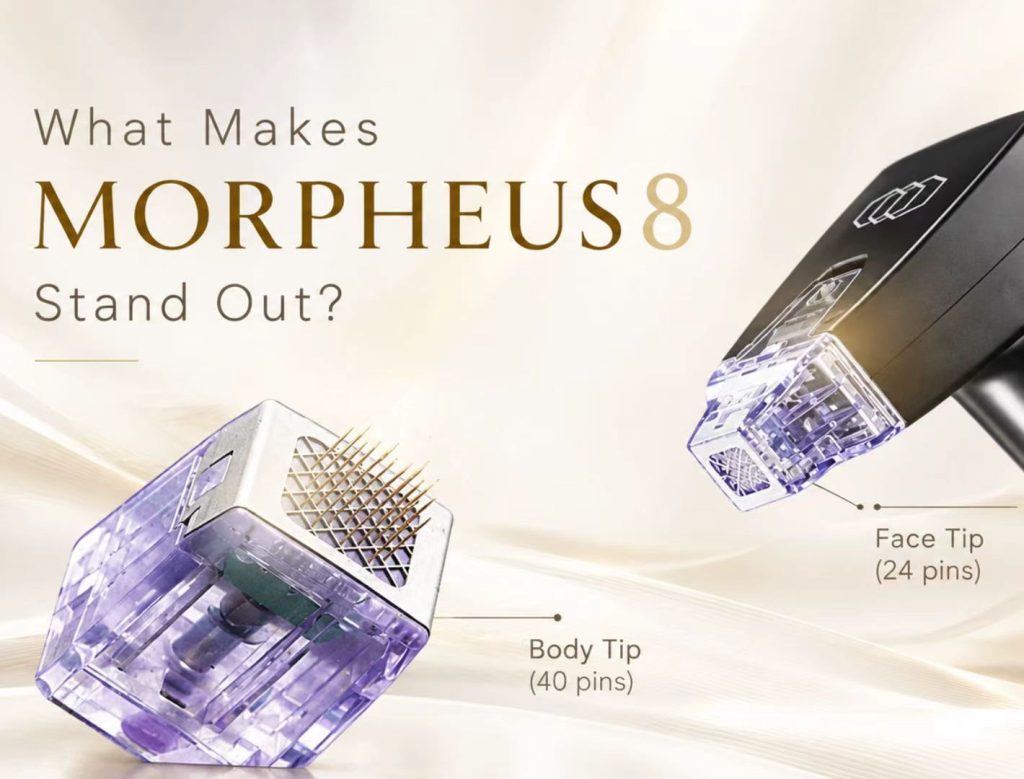
Depending on the treatment area, device settings and individual circumstances, Morpheus8 may be considered for concerns involving skin texture, the appearance of enlarged pores, uneven skin quality and mild skin laxity.
It is important to understand that results vary between individuals. Morpheus8 is not suitable for every skin concern, and it should not be considered a replacement for surgical procedures or other treatments when these are more appropriate.
Which Skin Concerns May Be Assessed for Morpheus8?
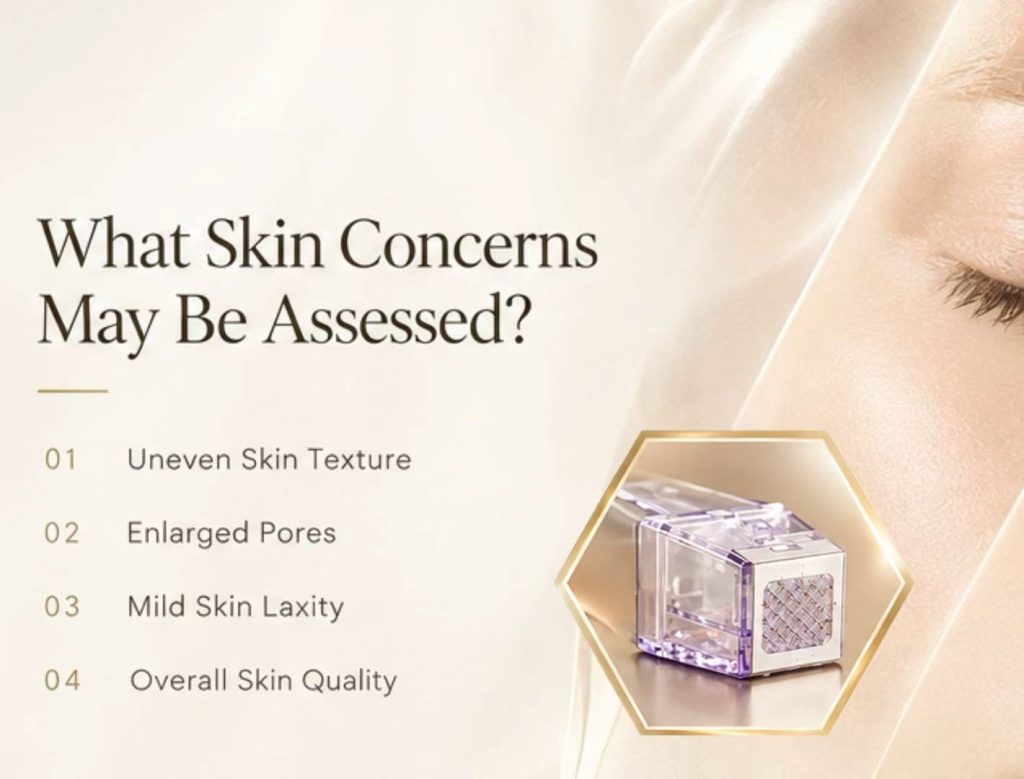
1. Uneven Skin Texture
Uneven skin texture can be associated with previous acne, visible surface irregularities, changes in skin structure and other factors. These concerns may affect how smooth or uniform the skin appears.
Morpheus8 may be considered for selected textural concerns following an assessment of their nature, severity and underlying causes. The depth of the concern, existing skin sensitivity and history of previous treatments can influence whether radiofrequency microneedling is an appropriate option.
Not all forms of uneven texture respond in the same way. A consultation can help determine whether another approach may be more suitable.
2. The Appearance of Enlarged Pores
Enlarged pores can be influenced by sebum production, genetics, age-related changes, skin elasticity and previous acne. Their appearance may also vary with skin condition and environmental factors.
Morpheus8 may be discussed as one option for selected individuals concerned about pore appearance and overall skin texture. However, pores are a normal feature of human skin, and no treatment can guarantee that they will disappear.
A skin assessment can help identify contributing factors and establish realistic expectations before treatment is considered.
3. Mild Skin Laxity
Changes in collagen structure and skin elasticity can contribute to mild skin laxity over time. Some individuals may notice less definition around the lower face, jawline or other areas.
Radiofrequency microneedling may be considered in selected cases where skin firmness is a concern. Suitability depends on the degree of laxity, anatomical factors, skin thickness and the treatment area.
More pronounced skin laxity may require a different treatment approach. Morpheus8 should not be presented as equivalent to a surgical facelift or as a guaranteed method of lifting the face.
4. Changes in Overall Skin Quality
Skin quality can be influenced by ageing, sun exposure, previous inflammation, genetics and daily skincare habits. Some people may be concerned about a combination of uneven texture, reduced firmness and visible surface irregularities.
Morpheus8 may be considered when these concerns are appropriate for radiofrequency microneedling. However, concerns such as pigmentation, persistent redness, active acne and dehydration may have different underlying causes and may require separate assessment.
Identifying the main concern is an important step in determining whether Morpheus8 is appropriate or whether another treatment should be considered first.
Who May Be a Suitable Candidate for Morpheus8?
There is no single profile that determines whether someone is suitable for Morpheus8. A qualified practitioner should assess the individual’s skin and medical history before recommending treatment.
Depending on the circumstances, Morpheus8 may be considered for individuals who:
- Have selected concerns involving skin texture or mild skin laxity.
- Want to explore a treatment option involving microneedling and radiofrequency energy.
- Understand that treatment outcomes vary and may require more than one session.
- Can follow appropriate pre-treatment and aftercare instructions.
- Have realistic expectations about the potential benefits, limitations and recovery period.
Age alone does not determine suitability. Skin condition, medical history, treatment area and individual risk factors are all relevant to the assessment.
Who May Need Additional Assessment or May Not Be Suitable?

Morpheus8 is not appropriate for everyone. Certain conditions may require treatment to be postponed, modified or avoided.
Active Skin Conditions
Active skin infections, open wounds, significant irritation or inflammation in the proposed treatment area may affect treatment suitability. These concerns should be assessed and appropriately managed before an elective procedure is considered.
Individuals experiencing active inflammatory acne or a flare-up of an existing skin condition should discuss this with their practitioner before proceeding.
A History of Pigmentation Changes
Some individuals are more susceptible to post-inflammatory hyperpigmentation, particularly following skin injury or inflammation. This is an important consideration when evaluating microneedling and radiofrequency treatments.
Skin tone, previous pigmentation responses, treatment depth and energy settings may influence risk. A thorough assessment is necessary to determine whether treatment is appropriate and how potential complications may be reduced.
No skin tone should automatically be assumed to be risk-free.
Certain Medical Conditions or Medications
Medical history can affect the suitability and safety of an aesthetic procedure. Conditions that impair wound healing, a tendency towards abnormal scarring, bleeding-related concerns and the use of certain medications may require further medical assessment.
Pregnancy, breastfeeding and other individual circumstances should also be discussed with the treating practitioner. Recommendations may vary according to the device instructions, the individual’s circumstances and applicable clinical guidance.
Patients should disclose relevant medical conditions, allergies, medications, supplements and previous aesthetic procedures during the consultation.
Unrealistic Treatment Expectations
Morpheus8 cannot guarantee a particular cosmetic outcome. It may not adequately address severe skin laxity, significant excess fat, deep structural changes or every type of acne scarring.
Individuals seeking immediate, dramatic or permanent changes should discuss the limitations of the treatment before making a decision.
What Factors Influence Morpheus8 Treatment Planning?
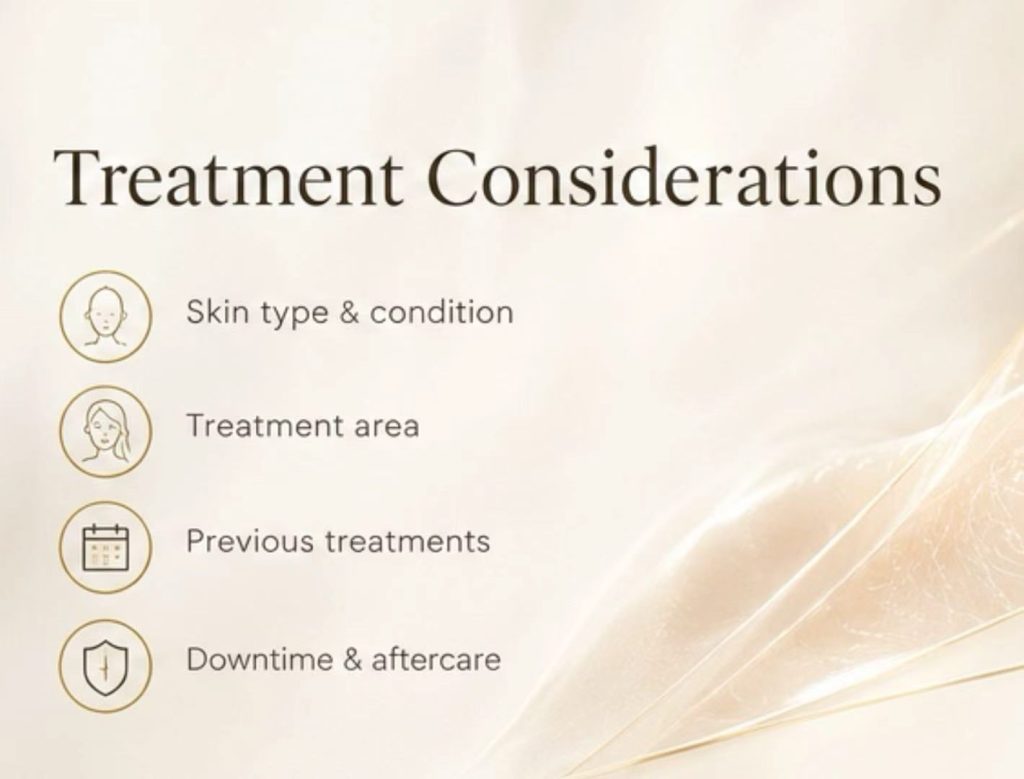
A personalised treatment plan should consider more than the visible skin concern.
Skin Type and Current Skin Condition
Skin tone, sensitivity, thickness, existing inflammation and a history of pigmentation changes may influence treatment planning. These factors can help determine whether the procedure is appropriate and which precautions are necessary.
Treatment Area
The face, jawline, neck and body have different anatomical characteristics. Treatment depth and settings should be selected according to the area being treated, the device’s intended use and the individual’s clinical assessment.
A setting that may be appropriate for one area should not automatically be applied to another.
Previous Treatments
Previous microneedling, laser treatments, chemical peels, injectables or other aesthetic procedures may affect the timing and suitability of Morpheus8.
Providing a complete history of recent treatments allows the practitioner to consider healing time, possible interactions and an appropriate treatment schedule.
Downtime and Aftercare
Temporary redness, swelling, sensitivity and other skin reactions may occur after radiofrequency microneedling. Recovery varies according to treatment settings, individual skin responses and the area treated.
Patients should understand the expected recovery period and be prepared to follow aftercare advice, including appropriate sun protection and temporary adjustments to skincare products or activities where recommended.
How Many Morpheus8 Sessions May Be Needed?

The number of Morpheus8 sessions depends on the concern being addressed, the treatment area, individual skin characteristics and the intended treatment plan.
Some individuals may be advised to consider a course of treatments, while others may require a different approach. Treatment intervals should allow adequate recovery and be determined by the treating practitioner.
It is not appropriate to assume that everyone needs the same number of sessions. Progress should be reviewed individually, and additional treatments should only be considered when clinically appropriate.
Morpheus8 vs Other Skin Treatments
Morpheus8 is one of several options that may be discussed during an aesthetic consultation. Different treatments address different concerns, and the most appropriate option depends on the underlying cause.
For example, concerns related primarily to pigmentation, vascular redness, active acne, significant volume changes or more advanced skin laxity may require a different treatment strategy.
A consultation should focus on identifying the main concern rather than selecting a procedure based solely on popularity. In some cases, an alternative treatment or a combination of approaches may be considered, provided it is appropriate and safe for the individual.
What Should You Discuss Before a Morpheus8 Treatment?
Before proceeding, individuals should have an opportunity to discuss:
- The specific skin concerns they want to address.
- Their medical history, medications and previous aesthetic treatments.
- Potential side effects, risks and limitations.
- Expected downtime and aftercare requirements.
- The likely treatment schedule and associated costs.
- Alternative options and the possibility of limited or variable results.
Patients should also understand who will perform the procedure, their qualifications and experience, and whether the treatment is appropriate for their individual circumstances.
Informed consent should be obtained before treatment begins.
Considering Morpheus8 at Stasis Laser & Dermal Clinic
Choosing whether to undergo Morpheus8 begins with understanding your skin concerns and assessing whether the treatment is appropriate for you.
At Stasis Laser & Dermal Clinic, individuals considering Morpheus8 in Sydney should seek an individual assessment of their skin condition, treatment goals, medical history and potential risk factors before proceeding.
A consultation can help clarify what the treatment may address, what its limitations are and whether another approach may be more appropriate.
The goal of treatment planning is to support informed decisions based on individual needs, realistic expectations and patient safety.
Frequently Asked Questions About Morpheus8
Is Morpheus8 suitable for all skin types?
Not necessarily. Suitability depends on skin characteristics, medical history, treatment settings and the risk of adverse reactions, including pigmentation changes. An individual assessment is important before treatment.
Can Morpheus8 help with enlarged pores?
Morpheus8 may be considered for selected concerns involving pore appearance and uneven skin texture. However, pore size is influenced by several factors, and results cannot be guaranteed.
Is Morpheus8 suitable for mild skin laxity?
It may be considered for selected cases of mild skin laxity. The degree of laxity, treatment area and individual anatomy influence whether it is an appropriate option.
Is there downtime after Morpheus8?
Yes, some downtime may occur. Temporary redness, swelling, sensitivity and other skin reactions are possible. The recovery period varies depending on the individual and treatment parameters.
How do I know whether Morpheus8 is right for me?
The most appropriate starting point is an assessment by a suitably qualified practitioner. They can review your skin concerns, medical history, expectations and potential risks before discussing treatment options.
Final Thoughts
Morpheus8 may be considered for selected concerns involving skin texture, the appearance of enlarged pores and mild skin laxity. However, suitability depends on individual skin characteristics, medical history, treatment goals and the potential for side effects.
Understanding both the potential benefits and limitations of Morpheus8 is an important part of making an informed decision. An individual consultation can help determine whether this treatment or an alternative approach is appropriate for your needs.

Stasis Laser & Dermal Clinic encourages individuals considering aesthetic treatments to seek a professional assessment and discuss all relevant risks, alternatives and expectations before proceeding.
This article is for general informational purposes only and does not replace personalised medical advice or an individual clinical assessment.