Published by Stasis Laser & Dermal Clinic, Haymarket Sydney CBD
At our Haymarket clinic in Sydney CBD, microneedling has been a staple of professional skin treatment for decades — and for good reason. The principle is elegant: create controlled micro-injuries in the skin, trigger the body’s natural repair response, and the result is increased collagen production, improved texture, and a more refined skin surface. It works. The clinical evidence is extensive.
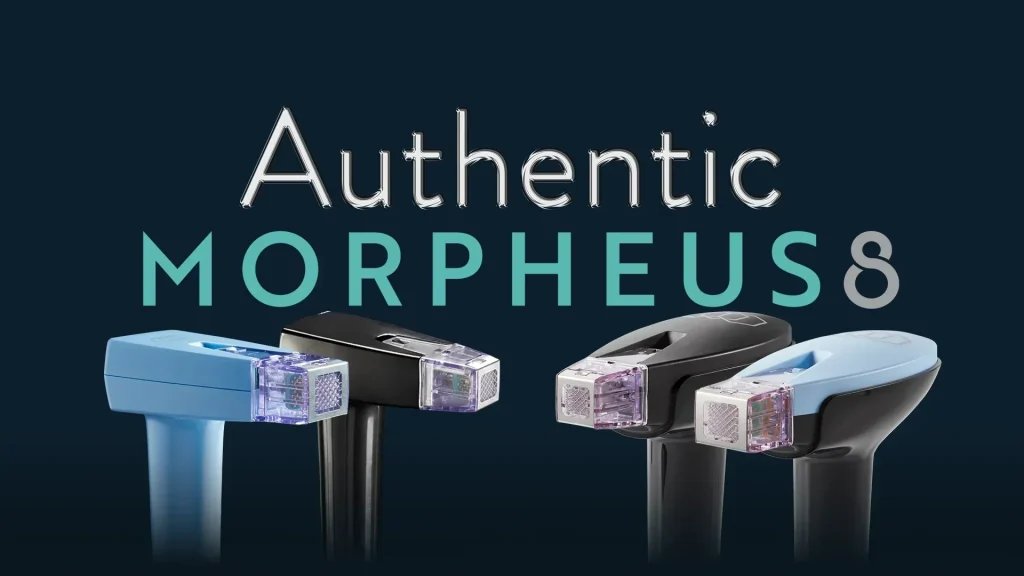
But over the past several years, a more advanced version of the treatment has emerged — radiofrequency microneedling, or RF microneedling — and it has changed the conversation significantly. Now patients arriving at clinics like ours in Haymarket regularly ask the same question: what is the difference between RF microneedling and traditional microneedling, and which one is right for my skin?
This article gives you a clear, clinically grounded answer to that question — covering how each technology works, what the evidence says about outcomes, which concerns each addresses best, and how to think about the choice for your specific skin.
The following information is educational in nature. Individual suitability for any treatment is assessed at a clinical consultation with a qualified practitioner. Individual results vary.
First, the Foundation: How Traditional Microneedling Works
Traditional microneedling — also called collagen induction therapy — uses a device fitted with fine needles to create thousands of microscopic punctures across the skin’s surface. These controlled micro-injuries do two important things:
They stimulate the wound healing cascade. The body responds to any injury by orchestrating a repair process — platelets aggregate, growth factors are released, fibroblasts migrate to the site, and collagen and elastin are synthesised. In the skin, this process produces new structural proteins that improve firmness, texture, and overall skin quality over the weeks that follow.
They create channels for topical penetration. The micro-channels created by needle punctures dramatically increase the skin’s permeability to topically applied actives — making the combination of microneedling with targeted serums significantly more effective than topical application alone.
Traditional microneedling is effective, particularly for:
- Surface skin texture and rough skin
- Mild acne scarring
- Fine lines and early skin ageing
- General skin quality and radiance improvement
- Enlarged pores
- Stretch marks (superficial)
Its depth of action is primarily within the epidermis and superficial dermis — the most accessible layers of the skin.
What RF Microneedling Adds — and Why It Changes the Outcome
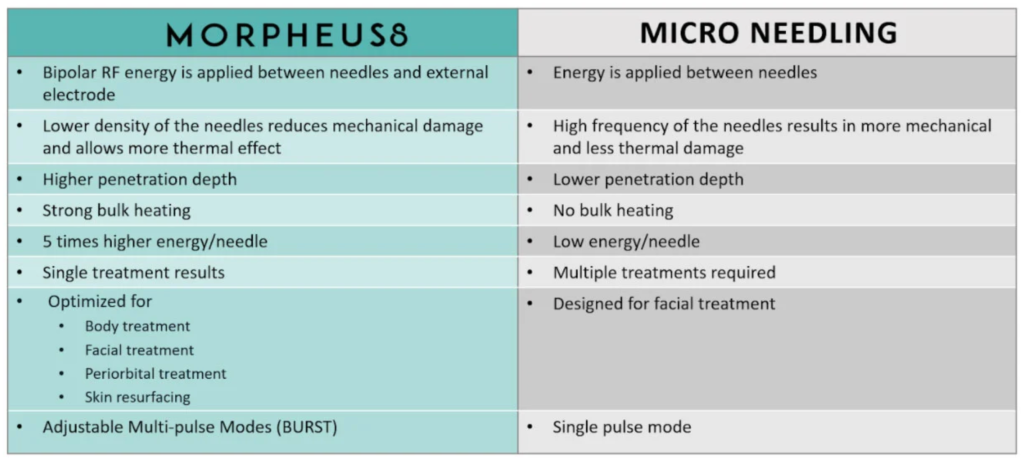
RF microneedling takes the traditional mechanism and adds a second, synergistic layer of action: radiofrequency energy delivered directly into the dermal tissue through the microneedles themselves.
This is not simply microneedling with an extra feature. The addition of RF fundamentally changes the therapeutic depth and scope of what the treatment can achieve.
The addition of radiofrequency to microneedling devices was developed as a way to induce thermal injury and increase dermal heating to enhance the dermal wound healing cascade — representing an advance over traditional microneedling devices for skin tightening, with improvements in both safety and efficacy.
Here is how it works in practice:
Insulated needles penetrate to a precisely controlled depth — up to 8mm in the most advanced platforms — reaching the mid-to-deep dermis and, in some cases, the subdermal layer.
At the target depth, bipolar RF energy is emitted between needle tips, creating controlled thermal zones in the deep tissue. This thermal energy does two things simultaneously:
- It causes immediate collagen fibre contraction — producing an acute tightening effect
- It triggers a more intense and deeper wound healing response than mechanical micro-injury alone, stimulating significant new collagen and elastin production over the months that follow
The insulation on the needles protects the epidermis and superficial dermis during energy delivery — meaning the thermal injury is concentrated precisely where it is needed, not at the skin’s surface. This is what makes RF microneedling significantly safer for darker skin tones than many laser alternatives.
The result is a treatment that simultaneously addresses surface skin quality (via the microneedling mechanism) and deep structural tissue (via the RF thermal mechanism) — a combination that traditional microneedling simply cannot replicate.
What the Clinical Evidence Says
The comparative evidence between RF microneedling and traditional microneedling has grown substantially in recent years, and it consistently points in the same direction.
A 2025 systematic review synthesising evidence from 22 studies confirmed that RF microneedling is an effective and well-tolerated intervention for facial rejuvenation, characterised by robust clinical outcomes and exceptionally high patient satisfaction.
A 2024 randomised clinical trial comparing RF microneedling directly with traditional microneedling in patients with skin ageing symptoms found a marked reduction in fine lines and wrinkles in the cohort treated with RF microneedling.
Research published by the National Institutes of Health found that 97% of subjects observed improvements in skin redness and treatment site marks following RF microneedling treatments, and a 2024 NIH study found a 49% average decrease in periorbital wrinkle severity scores with RF-assisted microneedling.
In peer-reviewed analysis, optimal outcomes for RF microneedling are achieved when needle depth is targeted to the reticular dermis — a depth that traditional microneedling does not consistently reach.
Taken together, the evidence supports a clear conclusion: for concerns involving skin laxity, deeper scarring, and structural tissue remodelling, RF microneedling produces meaningfully superior outcomes to traditional microneedling. For surface-level texture concerns in patients with mild skin concerns and no laxity, traditional microneedling remains a valid and effective option.
Which Concerns Does Each Treat Best?
Traditional microneedling is well suited for:
- Patients with mild skin texture concerns and no significant laxity
- General skin quality maintenance — improving radiance, hydration response, and surface smoothness
- Younger patients (typically late 20s to mid-30s) seeking preventive collagen support
- Superficial acne scarring — mild rolling or textural scarring
- Patients who want a lower-cost, lower-downtime treatment as part of a regular skin programme
- Enhancing topical absorption of targeted actives (vitamin C, peptides, growth factors)
RF microneedling is better suited for:
- Patients with visible skin laxity — softening jawline, crepey neck skin, loose inner arm or abdominal skin
- Moderate-to-significant acne scarring — atrophic, boxcar, and rolling scar types
- Enlarged pores that have not responded adequately to surface treatments
- Patients in their late 30s through 50s dealing with structural skin changes
- Body concerns — stretch marks, loose abdominal or thigh skin
- Patients who have had traditional microneedling and want to advance their results
- Skin tone concerns including rough, thickened, or crepey texture that extends beyond the surface
A Closer Look: InMode Morpheus8 — RF Microneedling at Stasis Clinic
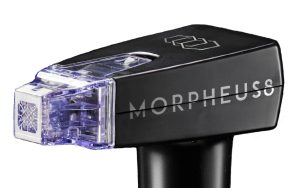
At Stasis Laser & Dermal Clinic, our RF microneedling platform is InMode Morpheus8 — one of the most clinically studied and widely used RF microneedling systems available.
Morpheus8 is distinguished by several features that set it apart in the RF microneedling category:
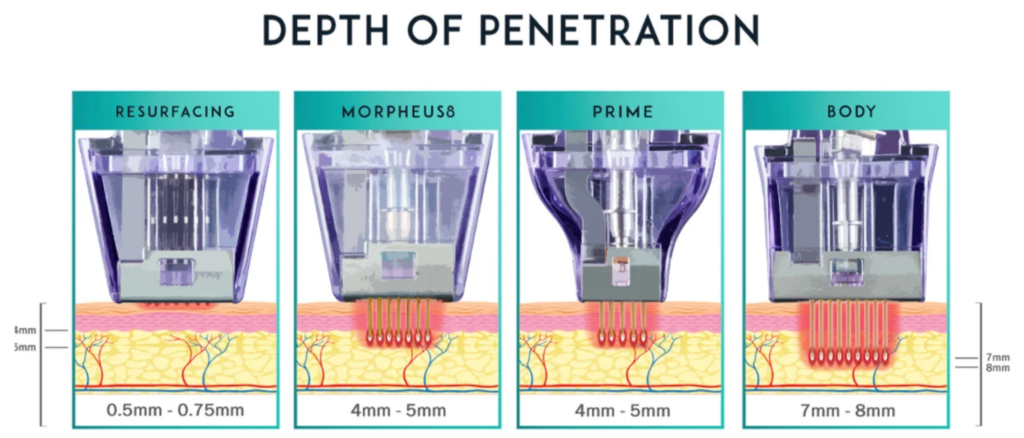
Depth range of up to 8mm Most RF microneedling devices reach 3–4mm. Morpheus8’s ability to penetrate to 8mm — into the subdermal adipose layer — means it can address not just dermal collagen remodelling but also subdermal tissue contraction and fat remodelling in targeted areas. This is what allows Morpheus8 to be used effectively on the body, not just the face.
Burst Mode technology Morpheus8’s Burst Mode delivers RF energy at multiple depths in a single needle insertion — rather than requiring separate passes at each depth. This makes treatment more efficient and ensures consistent energy delivery across the full tissue column.
Fractional delivery Energy is delivered in a fractional pattern — treating a portion of the tissue while leaving surrounding tissue intact. This dramatically reduces downtime compared to fully ablative treatments while still achieving meaningful deep thermal remodelling.
Safe for all skin tones The insulated needles concentrate RF energy below the epidermis, with no significant surface heating. This makes Morpheus8 appropriate for all Fitzpatrick skin types, including types IV, V, and VI — skin tones at higher risk of post-inflammatory hyperpigmentation with many laser alternatives. This is particularly relevant for Sydney’s diverse patient population.
Combination Treatments That Enhance RF Microneedling Results
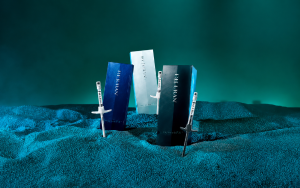
Morpheus8 + Skin Boosters (Rejuran, Profhilo) RF microneedling addresses structure and collagen density; skin boosters address hydration, luminosity, and skin quality at the biological level. Many patients find the combination produces a more complete outcome — structurally remodelled and visibly healthy skin.
Morpheus8 + Thermage FLX For patients with both significant skin laxity and texture concerns, combining Morpheus8 (deep dermal and subdermal remodelling) with Thermage FLX (full-thickness monopolar RF tightening) can address the full spectrum of structural skin changes. Your practitioner will advise on appropriate sequencing.
Morpheus8 + PicoSure Pro For patients dealing with scarring or texture and pigmentation concerns, this combination addresses both dimensions — Morpheus8 for structural remodelling, PicoSure Pro for tone refinement and pigmentation reduction.
Morpheus8 + Ultherapy Prime For patients with significant laxity — particularly jawline, jowl, and neck concerns — combining Morpheus8 (dermal and subdermal remodelling) with Ultherapy Prime (deep SMAS-layer lifting via focused ultrasound) provides a more comprehensive lifting and tightening outcome than either treatment alone.
Discuss Your Options at Stasis Laser & Dermal Clinic, Sydney CBD
At Stasis Laser & Dermal Clinic in Haymarket, our practitioners take the time to understand your skin before recommending any treatment. Whether traditional microneedling, InMode Morpheus8, or a combination approach is most appropriate for your concerns, we will give you an honest assessment — and a treatment plan designed around your skin, not a protocol that fits everyone.
Stasis Laser & Dermal Clinic
G02, 695–699 George Street
Haymarket NSW 2000
Phone:
02 9211 0282
+61 426 575 666
Email:
customerservice@stasisclinic.com
Opening Hours:
Monday – Sunday, 10:00AM – 7:00PM