Cosmetic Treatments Sydney CBD
Can PicoSure remove melasma permanently is a question patients frequently ask when seeking laser treatments for stubborn facial pigmentation, but the honest answer is no—PicoSure cannot permanently remove melasma because melasma is a chronic, hormonally-driven condition that tends to recur even after successful pigment reduction. While PicoSure (a picosecond 755nm laser) can significantly lighten melasma pigmentation—often achieving 60-90% clearance after multiple sessions—it works best as part of a comprehensive management plan rather than a one-time permanent cure, making “PicoSure remove melasma permanently” an unrealistic expectation for most patients.
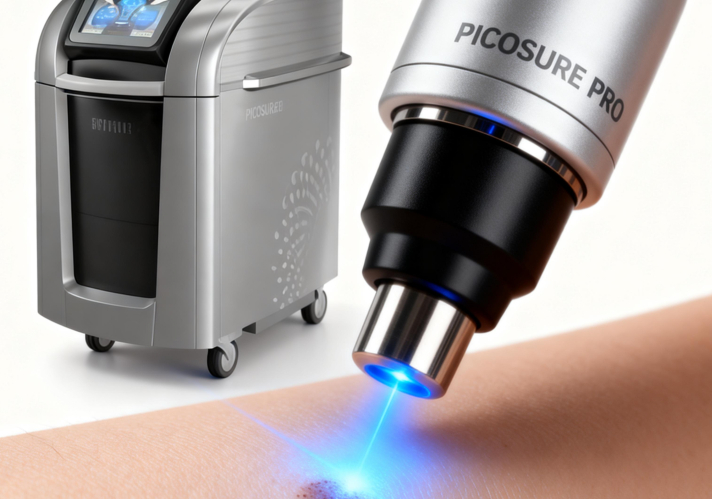
How PicoSure Works on Melasma
PicoSure uses ultra-short picosecond pulses (one-trillionth of a second) at 755nm wavelength to shatter melanin pigment into tiny particles that the body clears naturally, with minimal heat damage to surrounding skin. Unlike traditional nanosecond lasers, the “photoacoustic” pressure wave approach reduces post-inflammatory hyperpigmentation (PIH) risk, which is crucial for melasma-prone skin.
For epidermal melasma (upper skin layer), PicoSure typically shows good clearance. Dermal melasma (deeper pigment) responds less predictably, often requiring combination treatments.
What Results Can You Expect?
Clinical studies and real-world experience show:
- 60-90% pigment reduction after 2-6 sessions (4 weeks apart) for epidermal melasma
- Improvement visible within 1-2 weeks per session, peaking at 1-3 months
- Maintenance needed every 3-6 months for most patients to prevent rebound
A study of Asian patients using PicoSure Pro showed 90% clearance after 3 sessions for Fitzpatrick skin types III-IV, with minimal side effects. However, rebound rates are high (30-50% within 6-12 months) without ongoing sun protection and trigger management.
Why Melasma Cannot Be “Permanently Removed”
Melasma differs from freckles or sunspots because:
- Hormonal triggers persist—pregnancy, birth control, thyroid issues keep stimulating melanin overproduction
- Recurs with sun exposure—UVA/UVB instantly reactivate dormant melanocytes
- Genetic predisposition—once activated, skin “remembers” hyperpigmentation tendency
Even PicoSure’s excellent pigment clearance is temporary without addressing root causes. Studies confirm recurrence in 40-70% of cases within 12 months post-laser if triggers aren’t controlled.
Who Gets the Best PicoSure Melasma Results?
Good candidates:
- Epidermal (tan-brown) melasma confirmed by Wood’s lamp
- Fitzpatrick I-III skin types
- Good sun protection compliance
- No active hormonal triggers
Poor candidates:
- Deep dermal (blue-grey) melasma
- Fitzpatrick IV-VI (higher PIH risk)
- Non-compliant with sunscreen
- Active hormonal melasma (pregnancy, OCP)
Risks and Side Effects
PicoSure is safer than Q-switched lasers for melasma but not risk-free:
- PIH risk: 5-15% (lowest among pigment lasers)
- Temporary redness/darkening (3-7 days)
- Rare textural changes or hypopigmentation
Critical: Any darkening post-treatment is usually temporary PIH, not melasma worsening. Proper aftercare prevents 90% of complications.
Essential Adjunct Treatments for Lasting Results
PicoSure works best within a multi-modal protocol:
Professional Add-Ons:
- Topical HQ 4% + Retinoid (nighttime, cycled to prevent irritation)
- Chemical peels (Jessner’s, TCA 10-15%) between laser sessions
- Oral tranexamic acid (most evidence-based adjunct)
Realistic Expectations for PicoSure + Melasma
Week 1-2: 20-40% lighter per session
Month 3: 60-90% clearance possible
Month 6: Maintenance phase begins
Year 1+: 70% patients maintain >50% improvement with protocol adherence
Bottom Line: Can PicoSure Remove Melasma Permanently?
No, but it can provide excellent long-term control. PicoSure reduces melasma by 60-90% in responsive cases and maintains lighter skin with proper protocol. Think of it as “melasma management” rather than “melasma cure.”
For permanent removal, you’d need to eliminate all hormonal/sun/genetic triggers simultaneously—currently impossible. The realistic goal is 80% lighter, 80% of the time through consistent combined therapy.
Most important factor for success: Sun protection compliance > laser technology > any topical.
Finding Qualified Providers
Seek dermatologists experienced with:
- PicoSure Pro (755nm, FDA-approved for melasma)
- Melasma-specific protocols (not generic pigmentation)
- Tranexamic acid integration
- Realistic expectation counseling
Red flags: “One session permanent removal” claims, no sun protection emphasis, treating active hormonal melasma without addressing triggers.
PicoSure represents melasma treatment’s current gold standard when used correctly within comprehensive management—but can picosure remove melasma permanently remains a biological impossibility given melasma’s chronic nature.